Overview
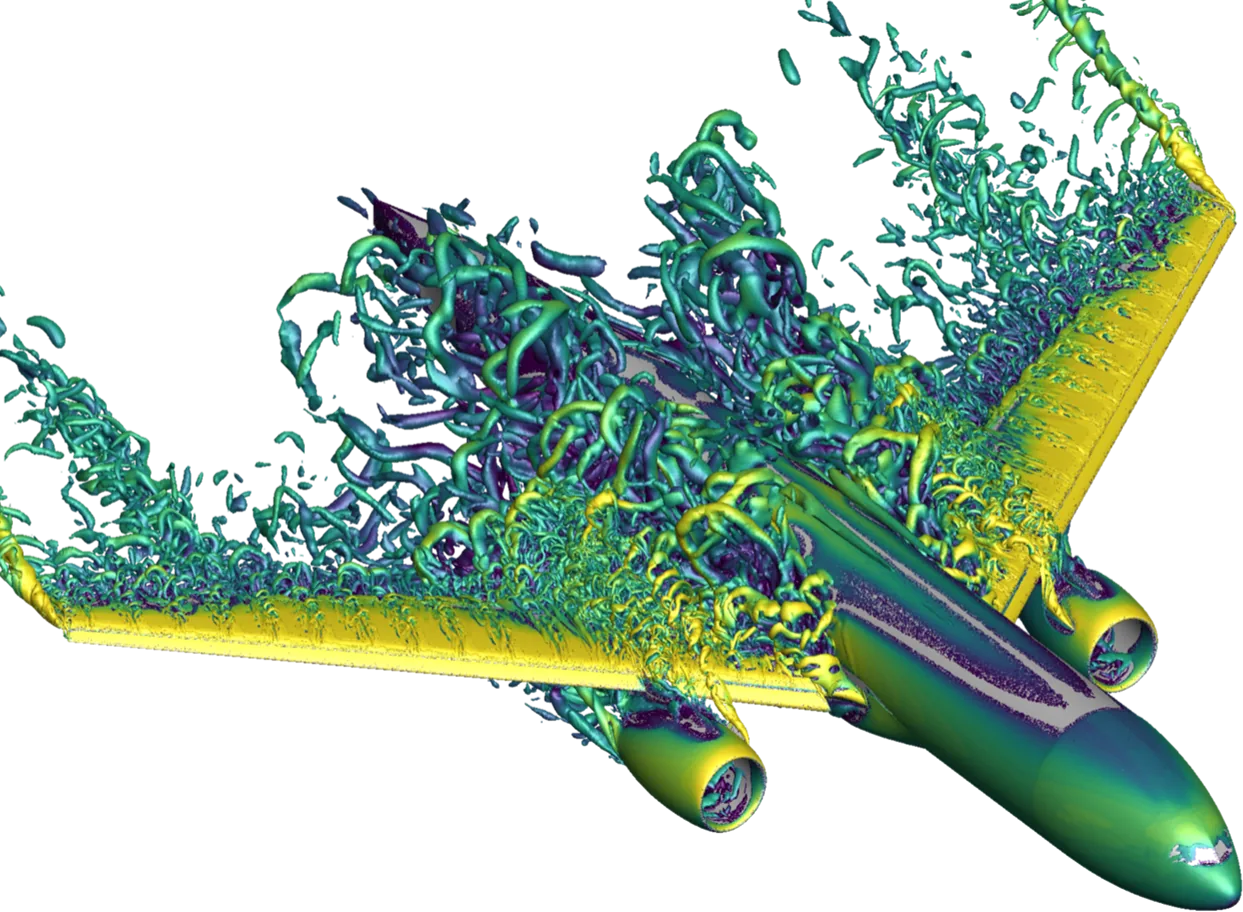
Flow360 is a GPU-native CFD solver. It delivers the same numerical fidelity as a conventional solver while cutting solve time and compute cost substantially.
From the complex flow around a UAM with both wings and rotors through to automotive aeroacoustics, it is built for aerodynamic analysis.
Flexcompute builds the product; CLEW handles adoption, application and technical support in Korea. That relationship can be checked on the Flexcompute partner page ↗.
Speed and scaling
A CPU cluster loses efficiency as nodes are added. Flow360 uses GPU-specific methods to get scaling without that loss, alongside fast computation.
The practical result is that solve time stops being the bottleneck in a design review. Sweeping shapes through repeated steady-state runs, global optimisation, aeroacoustics — work that used to be dropped for schedule reasons — becomes plannable.
Actual run times depend on geometry, mesh size and GPU configuration. Checking with a representative case together gives a more accurate picture.
Physical models
GPU acceleration remains hard in CFD. Flow360 supports a broad set of physical models stably on top of it.
Both steady-state and time-dependent analyses.
Compressible flow, including the incompressible regime, for aerodynamic work.
For detailed R&D on products where turbulent flow matters.
Problems where fluid and solid heat transfer are coupled, such as heat sinks.
Several treatments for rotors, fans and other rotating machinery.
Aerodynamic noise problems that used to be out of reach.
Analysis capabilities
- Reynolds-Averaged Navier–Stokes (RANS)
- Multiple turbulence models
- Detached Eddy Simulation (DES)
- Laminar–turbulent transition model
- Time-accurate rotating geometry
- Acoustics
What CLEW does
Handing over a solver is not the job. The effect of high-performance CFD only lasts when the modelling, validation, automation and the way the team works are set up alongside it.
- 01 Evaluation
We review the problem scale, the physics and your current compute environment to scope what applies.
- 02 Pilot analysis
A representative case is actually run to confirm accuracy and the working flow.
- 03 Deployment and automation
Users, data and automation are set up so it fits the way you work.
- 04 Technical support
Modelling, convergence and performance problems get solved with you as adoption proceeds.
Applications and technical resources
Explore application cases, validation results and technical articles related to Flow360.
Case Studies
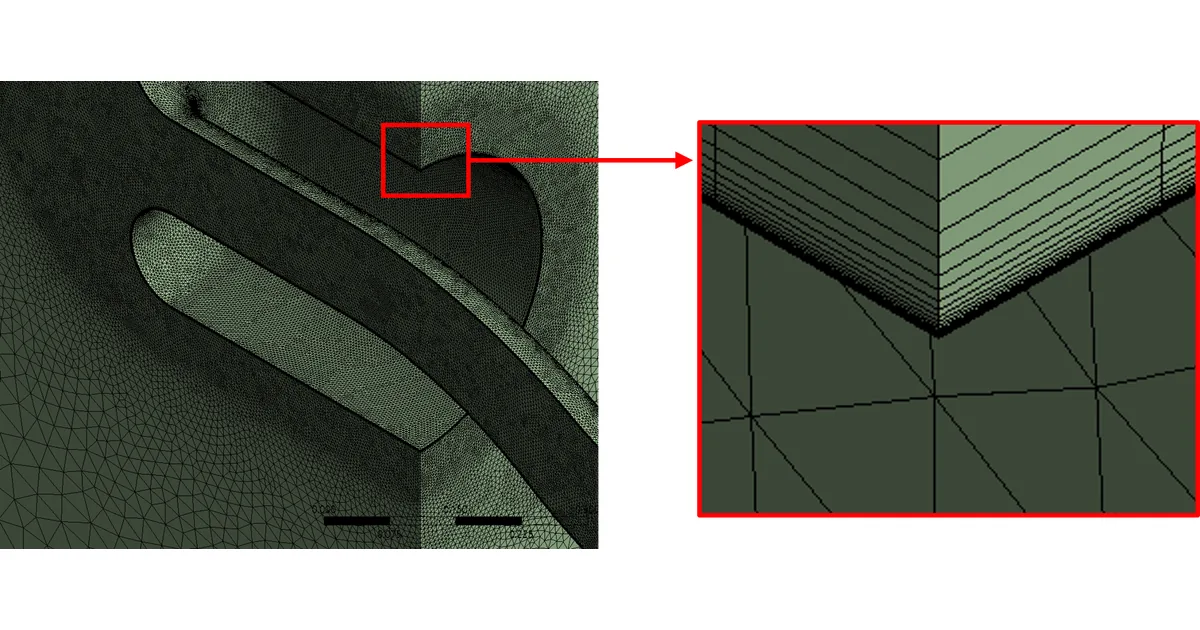
CFD of an S-Duct Intake — Steady State Flow
Internal flow in an aircraft S-duct intake analysed with both a conventional CFD code and a GPU-based solver, comparing computational efficiency and accuracy.
2025. 09. 17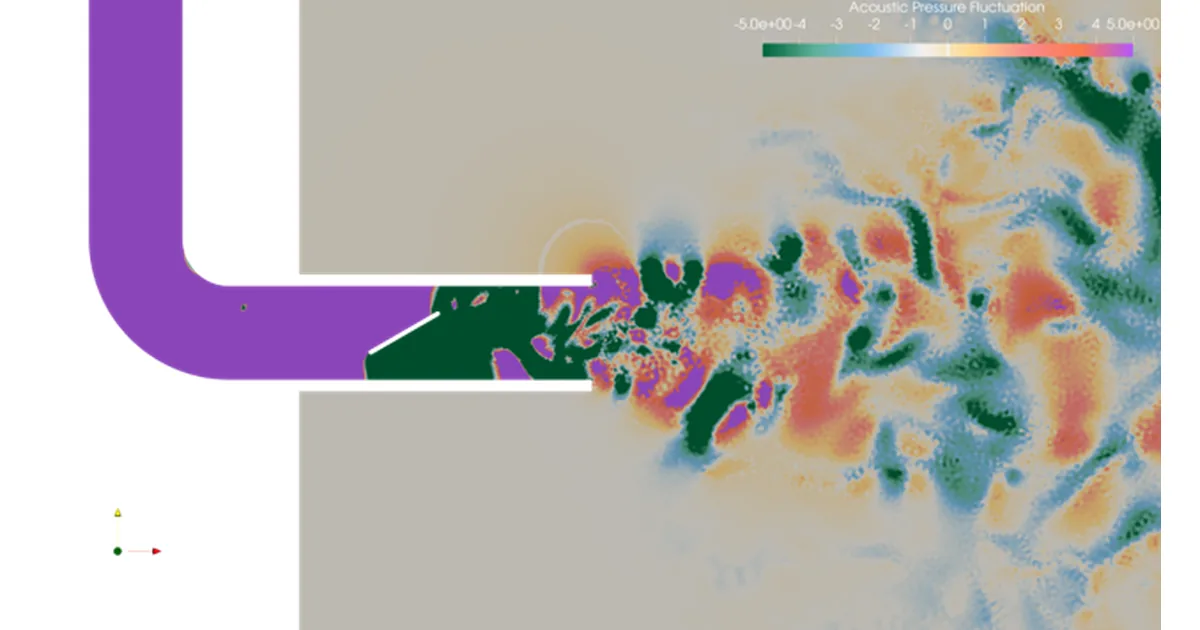
Validation
Aeroacoustic Analysis of an Automotive HVAC System with Flow360
Aerodynamic noise in automotive HVAC systems matters more in the electric vehicle era. This case study predicts it directly with Flow360, a GPU-native CFD solver, and compares the sound pressure spectra against experiment.
2024. 12. 12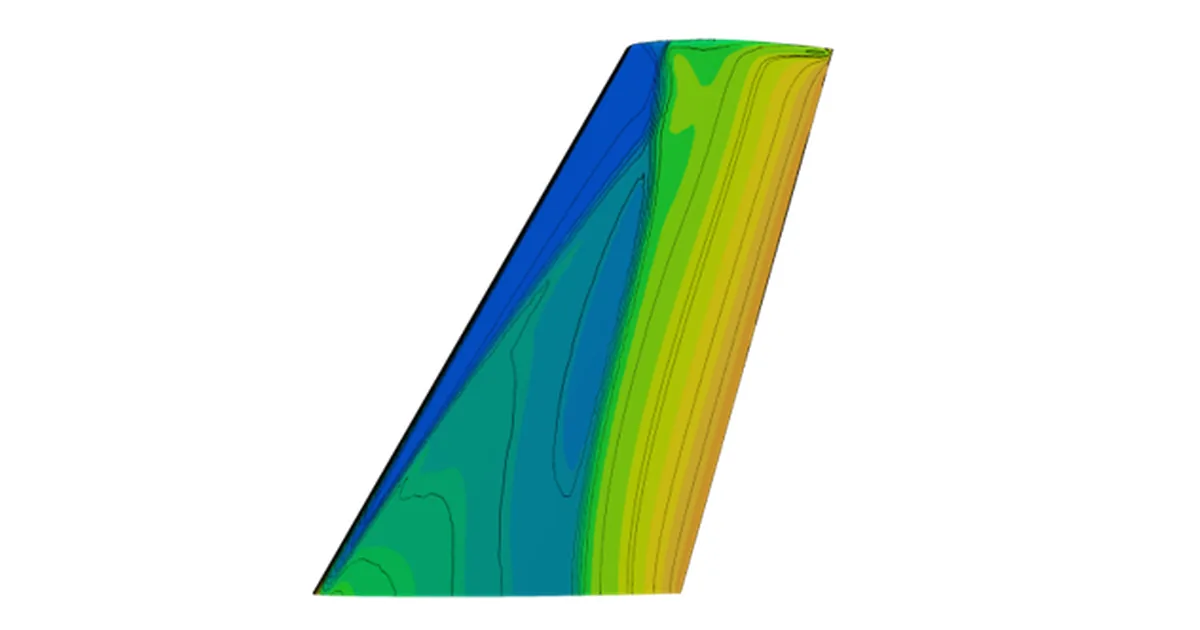
Case Studies
ONERA M6 Wing CFD with Flow360
A CFD case study of the ONERA M6 wing run on Flow360, comparing three meshes, two turbulence models and four GPUs against published data.
2024. 06. 17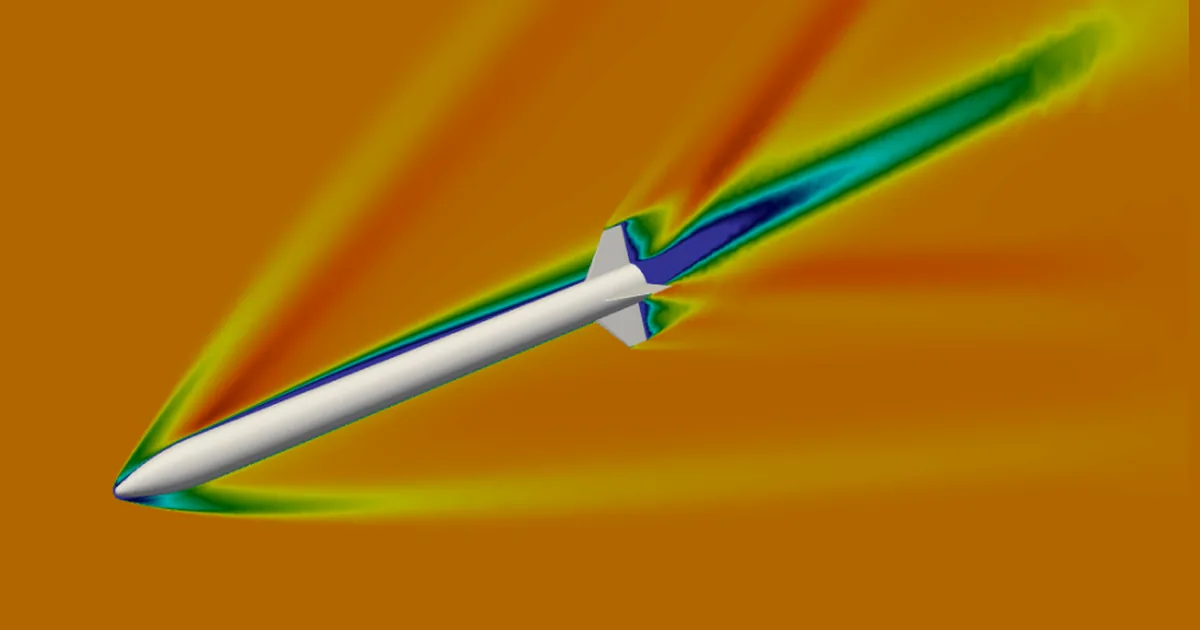
Case Studies
Missile Aerodynamics with Flow360
A Flow360 analysis of the N1G supersonic missile test model, a public wind-tunnel benchmark for missile aerodynamics.
2024. 04. 26